

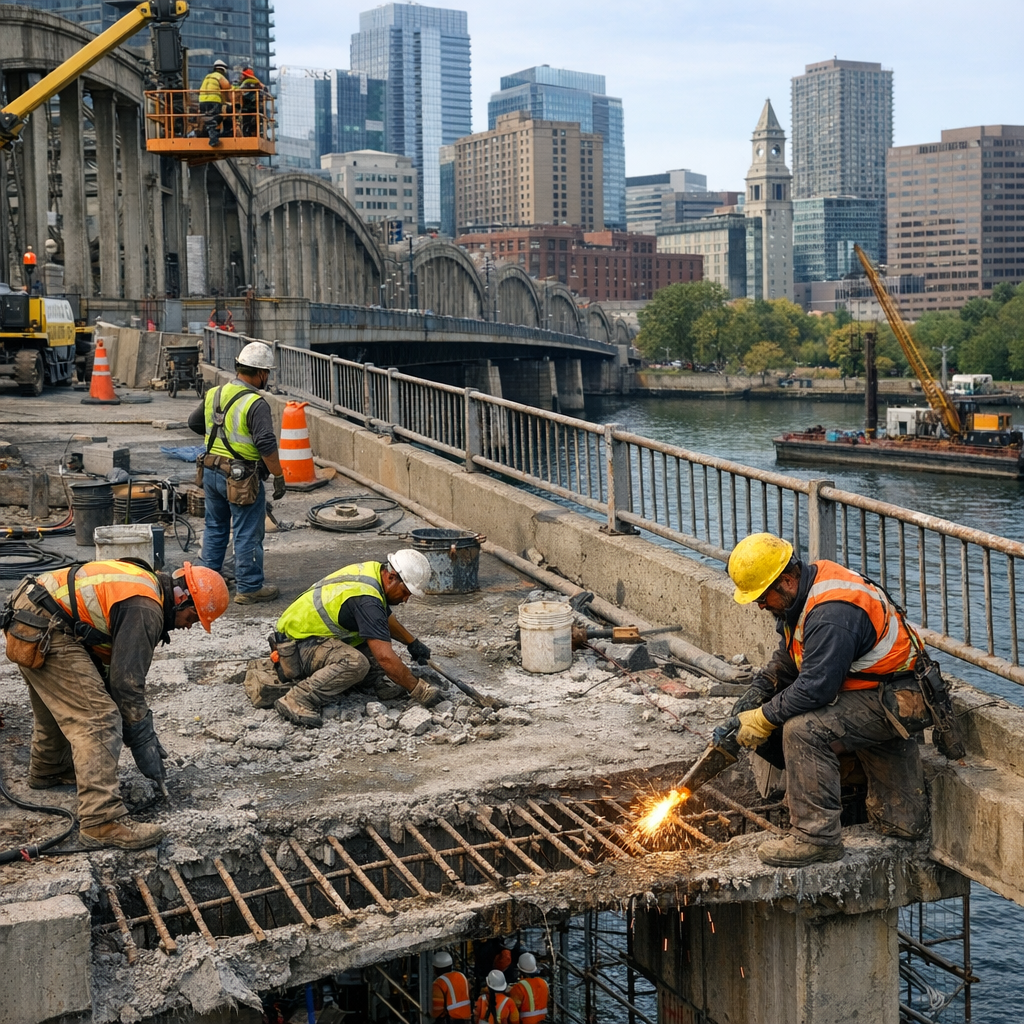
By Aiden Lopez — Across the United States, infrastructure is slowly improving, but many of the gains now depend on decisions coming out of Washington. As aging roads, bridges, electricity grids and broadband networks strain under growing demands, Congress faces urgent choices with real consequences for communities big and small.
Where We Stand
The American Society of Civil Engineers’ most recent report raised the nation’s infrastructure score to a “C,” up from a “C-” just a few years ago. Nearly half of all infrastructure categories—roads, water systems, broadband—showed improvement. But beneath the surface, much remains vulnerable. Experts estimate a $3.7 trillion shortfall over the next decade if funding doesn’t keep pace. Annual authorizations for many programs are set to expire after 2026, creating a funding cliff that threatens project timelines.
Main Tensions Shaping the Debate
Several key points divide lawmakers and stakeholders:
- Federal vs. local control: While federal aid boosts major projects, many believe state and municipal governments are better positioned to identify urgent local needs. Critics of centralized control cite bureaucratic delays and political bias, but defenders say federal oversight ensures nationwide equity.
- Funding models: Gas tax revenues—unchanged in decades—no longer cover rising construction and maintenance costs. Some lawmakers propose user fees, expanded tolls or even mileage-based systems. Others worry about burdening drivers and low-income households.
- Permitting and speed of project delivery: Permitting delays for large infrastructure projects like EV charging stations or power grid expansions are increasingly problematic. Many projects are stalled not by lack of funding, but by regulatory and procedural hurdles.
- Climate, resilience & equity: New infrastructure debates center on whether roads, water systems, and energy networks are built for today’s climate risks—and whether underserved communities get priority. Electrification, flood protection, and internet access are key fronts in this fight.
What’s at Risk
If Congress fails to follow through, road and bridge repair plans may be delayed, broadband build-outs slowed or canceled, and power systems remain fragile in places that need upgrades most. In cities that depend on public transit and vulnerable infrastructure—like coastal flood defenses—delays could cost lives and economic opportunity.
A Urgent Policy Moment
With existing authorizations expiring after 2026, lawmakers have a narrow window to affirm or revise priorities. The coming surface transportation bill is one of the biggest touchpoints—it could determine funding for roads, transit, EV charging, and how the federal government supports states. Where this bill lands will ripple outward to local projects from upstate New York to Chicago, and beyond.
How New Yorkers Should Watch the Debate
In New York City and surrounding regions, many projects—from subway modernization and bridges to broadband access in underserved neighborhoods—rely directly on federal investment. Residents should track how proposed budget bills address:
- Transit funding and revenue streams
- Equitable broadband deployment
- Environmental and climate safeguards for coastal infrastructure
- Permitting reform to speed up critical projects without compromising safety or environmental standards
Infrastructure may power our daily lives invisibly—until it breaks. As Congress debates priorities in the next few months, those decisions will determine how well cities like New York, and the country overall, weather growth, climate risks, and evolving economic needs.