
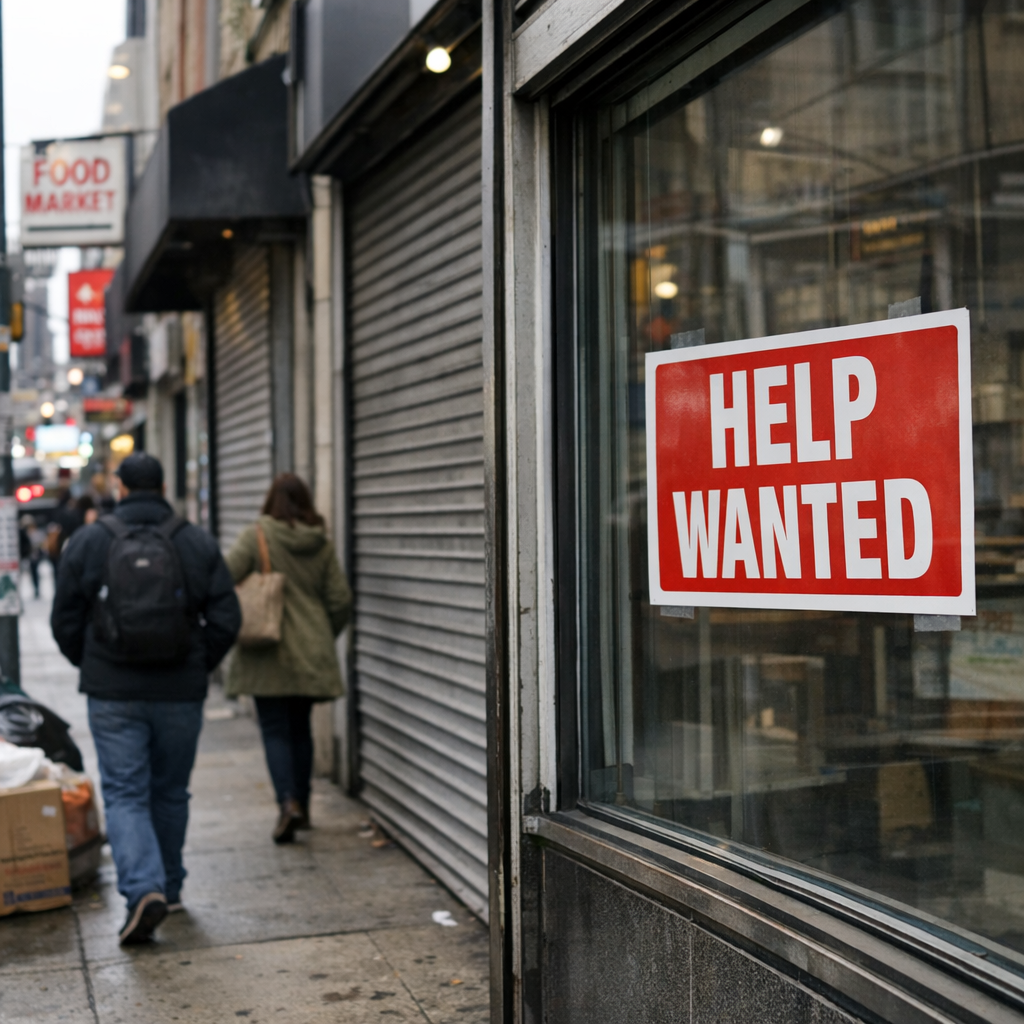
Recent economic developments in the United States have raised concerns among policymakers and citizens alike. In July, the U.S. labor market experienced an unexpected contraction, with employers cutting 23,000 jobs. This downturn was accompanied by downward revisions of 103,000 jobs for May and June, signaling potential challenges ahead. Notably, sectors such as local public schools, hospitality, and retail bore the brunt of these job losses. While the unemployment rate dipped to 4.1%, this was primarily due to a significant number of individuals exiting the labor force, leading to the lowest participation rate since February 2021.
Compounding these labor market challenges, mortgage rates have been on an upward trajectory, reaching a 30-year fixed rate of 6.69%—the highest since July 2025. This increase poses additional hurdles for prospective homebuyers and reflects broader economic pressures.
These economic indicators have political ramifications as well. With midterm elections on the horizon, the current administration faces mounting scrutiny over its economic policies. Rising inflation, a stagnant job market, and escalating living costs have fueled voter dissatisfaction. Recent polls indicate a shift in public sentiment, with a growing number of voters expressing concerns about the administration’s handling of economic issues.
In response to these challenges, the administration has proposed measures aimed at addressing affordability concerns, including capping credit card interest rates and introducing longer-term mortgages. However, these proposals have sparked debates regarding their feasibility and potential impact on the broader economy.
As the nation navigates these economic uncertainties, it remains crucial for policymakers to implement strategies that foster sustainable growth and address the pressing concerns of the American populace.