

New York City, renowned for its vibrancy and diversity, is currently grappling with significant challenges in affordability and mental health. Recent surveys and reports shed light on the depth of these issues and the community-driven efforts to address them.
Affordability Crisis
A comprehensive survey conducted by the 5BORO Institute revealed that over 60% of New Yorkers struggle to meet basic needs such as housing, food, healthcare, and education. Alarmingly, nearly half of the respondents have considered leaving the city due to these financial pressures. The survey underscores the profound impact of the affordability crisis on residents’ daily lives and future plans.
Mental Health Barriers
Parallel to financial strains, mental health challenges are prevalent. A report by the NYC Health Department indicates that approximately 14% of adult New Yorkers reported unmet mental health needs in the past year. The primary obstacles include the belief in self-management without treatment, financial constraints, and a lack of awareness about available resources. These barriers highlight the urgent need for accessible mental health services.
Community Initiatives
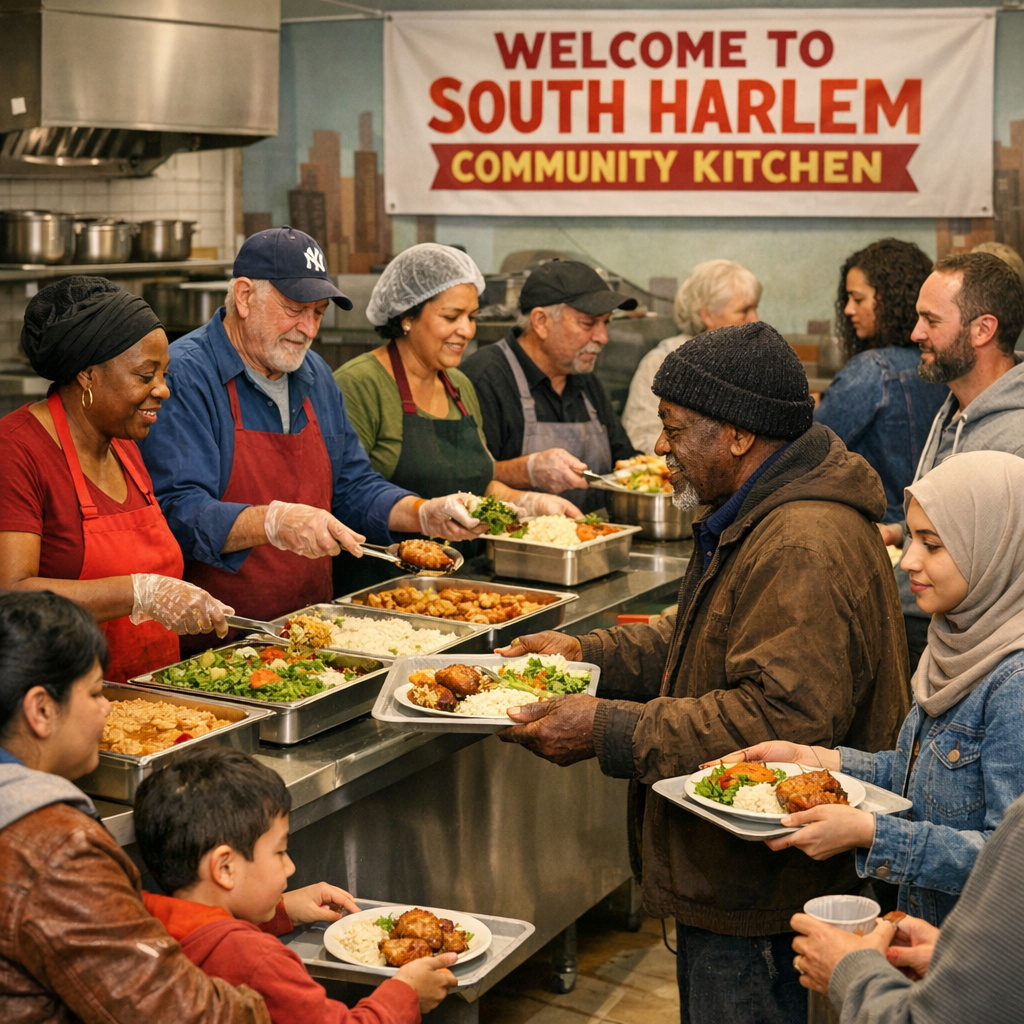
In response to these challenges, various community organizations have stepped up. For instance, the Food Bank for NYC operates a community kitchen in South Harlem, serving over 500 individuals daily. This initiative provides not only nutritious meals but also a sense of community and support for those facing food insecurity.
Additionally, the establishment of the Office of Community Safety aims to reform crisis response by reducing police involvement in mental health emergencies. This office plans to invest in programs that dispatch mental health professionals to appropriate 911 calls, ensuring individuals receive the care they need without unnecessary law enforcement intervention.
Moving Forward
Addressing the intertwined issues of affordability and mental health requires a multifaceted approach. Community-driven initiatives play a crucial role, but systemic changes are essential to create a more equitable and supportive environment for all New Yorkers. Continued collaboration between government agencies, non-profits, and community members is vital to develop sustainable solutions that address these pressing challenges.