

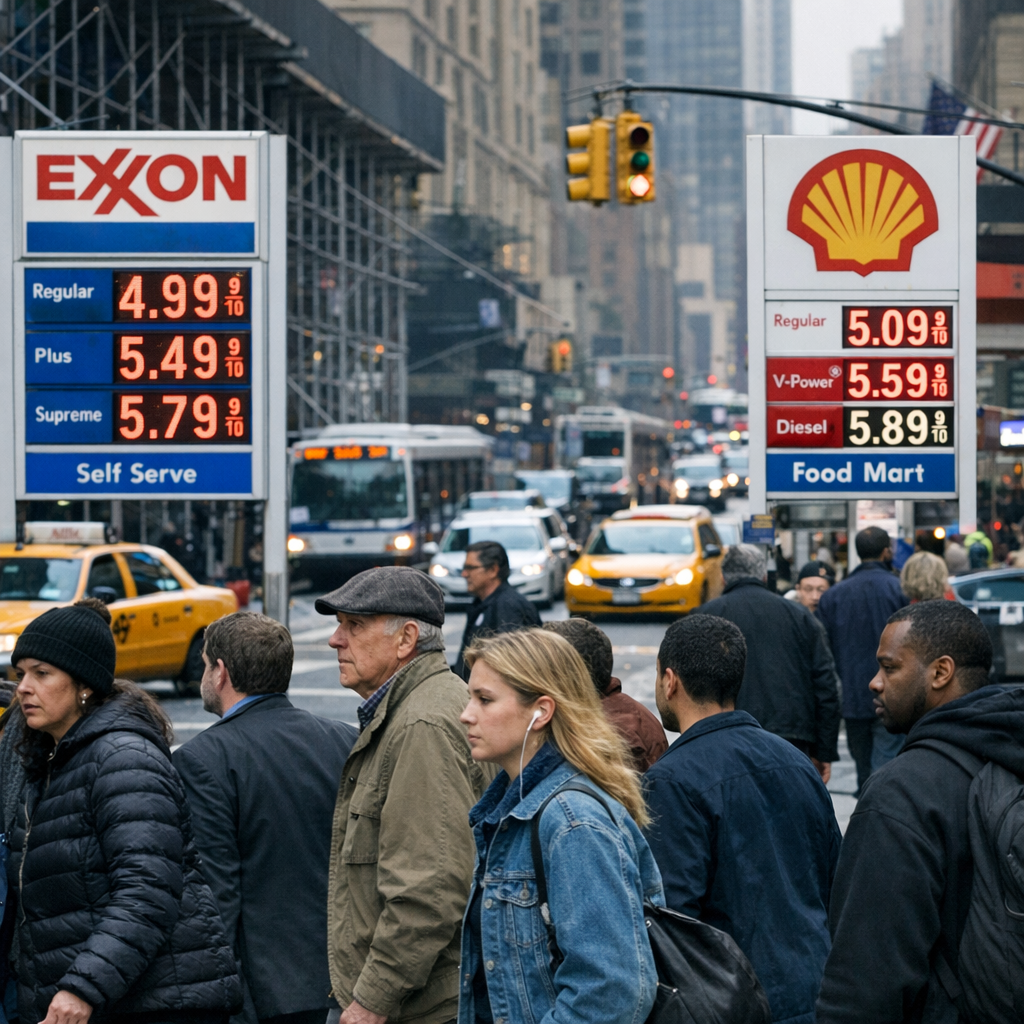
The United States is currently facing a complex economic landscape marked by rising inflation, fluctuating gas prices, and evolving political dynamics. These factors are interwoven, influencing both the nation’s economic health and the political climate.
Inflation and Consumer Confidence
Inflation has become a pressing concern, with rates reaching 3.8% in April. This uptick is largely attributed to ongoing international conflicts, notably the situation in Iran, which has disrupted global oil supplies and driven gas prices above $4.50 per gallon. As a result, consumer confidence has declined, with many Americans expressing concerns about their financial futures. A recent CNN poll indicates that 70% of Americans disapprove of the current administration’s handling of the economy.
Employment and Wage Growth
Despite a strong GDP growth fueled by advancements in artificial intelligence, wage growth has not kept pace with inflation. For the first time in three years, real wages have declined, diminishing purchasing power for many workers. This economic strain has led to increased reliance on credit, with consumer borrowing experiencing its largest monthly jump since late 2022.
Political Implications
The economic challenges have significant political ramifications. The current administration faces mounting pressure to address these issues, especially with upcoming midterm elections. Recent fundraising efforts, such as the National Republican Congressional Committee’s record $36.8 million haul, underscore the high stakes involved.
Looking Ahead
As the nation navigates these economic and political challenges, it is crucial for policymakers to implement strategies that address inflation, stabilize the job market, and restore consumer confidence. The interplay between economic policies and political decisions will undoubtedly shape the country’s trajectory in the coming months.