

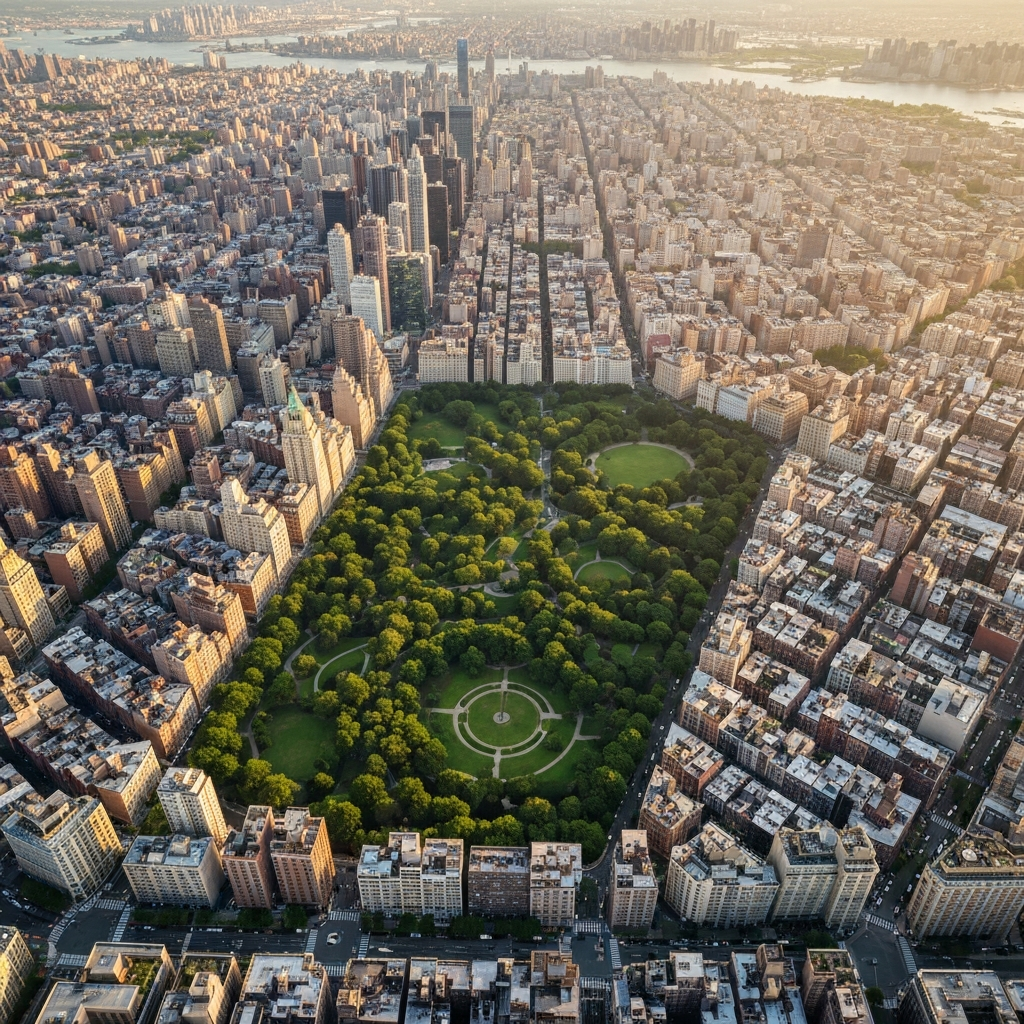
New York City, renowned for its towering skyscrapers and bustling streets, faces a significant environmental challenge known as the urban heat island (UHI) effect. This phenomenon results in urban areas experiencing higher temperatures than their rural counterparts, primarily due to human activities and the built environment.
What Causes the Urban Heat Island Effect?
The UHI effect arises from several factors:
- Absorption of Heat by Urban Materials: Surfaces like asphalt and concrete absorb and retain heat, leading to elevated temperatures in urban areas.
- Limited Vegetation: Sparse tree cover and green spaces reduce natural cooling through shade and evapotranspiration.
- Human Activities: Energy consumption from vehicles, air conditioning, and industrial processes generates additional heat.
Studies have shown that densely populated urban areas with tall buildings and little tree cover tend to be hotter than rural environments, a phenomenon called the “urban heat island” effect. A study by Climate Central found that the average New Yorker experiences temperatures nearly 10°F higher due to this effect, the highest increase among 65 U.S. cities analyzed.
Impacts on New Yorkers
The UHI effect has several implications for city residents:
- Health Risks: Elevated temperatures can lead to heat-related illnesses, particularly among vulnerable populations such as the elderly and those with pre-existing health conditions.
- Increased Energy Consumption: Higher temperatures drive up the use of air conditioning, leading to increased energy demand and costs.
- Environmental Concerns: Elevated temperatures can exacerbate air pollution and contribute to the formation of ground-level ozone.
Mitigation Strategies
To combat the UHI effect, New York City has implemented several initiatives:
- Expanding Green Spaces: Programs like MillionTreesNYC have led to the planting of over a million trees, increasing the city’s tree canopy and providing natural cooling.
- Cool Roofs Program: The city encourages the application of reflective coatings on rooftops to reduce heat absorption.
- Green Infrastructure: Investments in green roofs, community gardens, and enhanced parklands help mitigate heat and improve air quality.
Residents can also contribute by planting trees, creating green spaces, and using energy-efficient appliances to reduce heat generation.
Understanding and addressing the urban heat island effect is crucial for enhancing the quality of life in New York City. Through collective efforts, the city can become more resilient to the challenges posed by rising urban temperatures.