

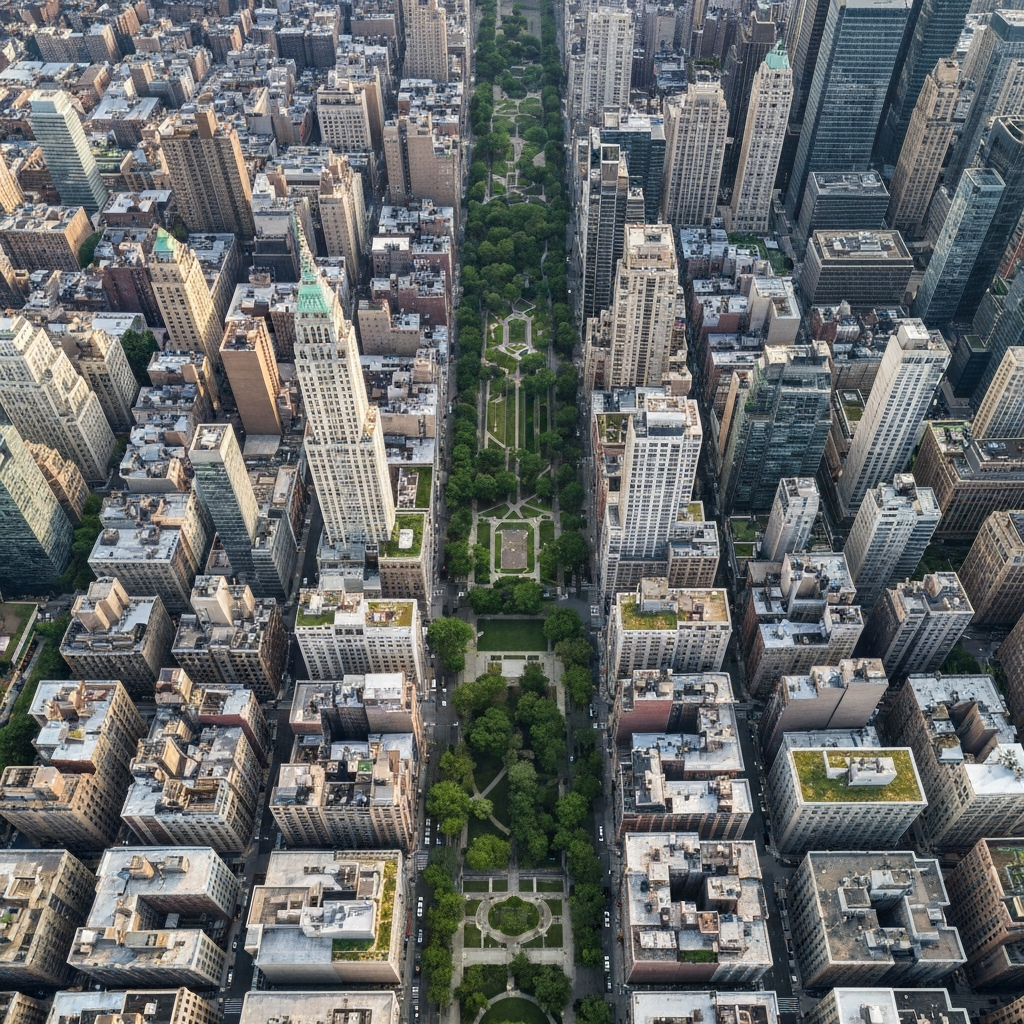
New York City, like many urban areas, experiences the urban heat island (UHI) effect, where densely built environments absorb and retain heat, leading to higher temperatures compared to surrounding rural areas. This phenomenon poses challenges to public health, energy consumption, and overall quality of life.
Understanding the Urban Heat Island Effect
The UHI effect results from factors such as extensive concrete and asphalt surfaces, limited vegetation, and heat generated by human activities. Studies have shown that certain NYC neighborhoods can be up to 9.7°F hotter than they would be without urbanization, making it the highest per capita temperature increase among 65 U.S. cities analyzed.
Green Infrastructure Initiatives
To combat the UHI effect, NYC has implemented various green infrastructure projects. The Department of Environmental Protection (DEP) has constructed thousands of installations, including rain gardens, green roofs, and infiltration basins, designed to manage stormwater and reduce surface temperatures.
One notable project is the “Gateway to Greenpoint,” a $1.9 million initiative in Brooklyn. This project features underground stormwater storage capable of capturing nearly one million gallons annually, reducing street flooding and cooling the surrounding area.
Urban Forestry and Tree Canopy Expansion
Expanding the city’s tree canopy is another strategy to mitigate the UHI effect. NYC’s urban forest comprises over 7 million trees across streets, parks, and private lands, providing essential climate resilience and public health benefits. Efforts like the MillionTreesNYC campaign have significantly increased tree coverage, with the city reaching approximately 23% canopy coverage as of 2021.
Community Involvement and Future Outlook
Community participation is vital in these initiatives. Residents can contribute by planting trees, creating green spaces, and supporting local environmental programs. Continued investment in green infrastructure and urban forestry is essential for NYC to adapt to climate change and enhance the well-being of its residents.